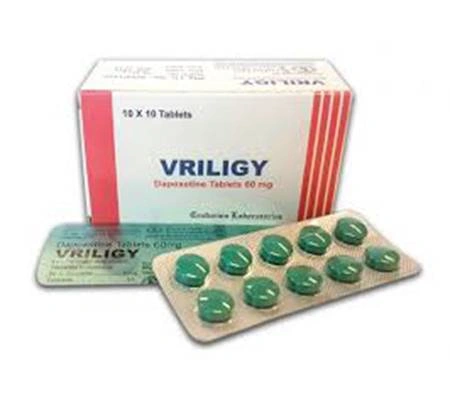
Detrol is indicated for the treatment of overactive bladder with symptoms of urge urinary incontinence, urgency, and frequency.
Dosage and directionTake Detrol exactly as prescribed by your doctor. Do not take in
larger or smaller amounts or for longer than recommended. Follow the
directions on your prescription label.
Your doctor may occasionally change your dose to make sure you get the best results.
Take Detrol with water. Do not crush, chew, break, or open a
controlled-release capsule. Swallow it whole. Breaking or opening the
pill may cause too much of the drug to be released at one time.
Store Detrol at room temperature away from moisture and heat.
If you missed a dose - take the missed dose as soon as you
remember. Skip the missed dose if it is almost time for your next
scheduled dose. Do not take extra medicine to make up the missed dose.
The recommended dose of Detrol Capsules is 4 mg once daily with
water and swallowed whole. The dose may be lowered to 2 mg daily based
on individual response and tolerability; however, limited efficacy data
are available for Detrol 2 mg.
For patients with mild to moderate hepatic impairment
(Child-Pugh Class A or B) or severe renal impairment (CCr 10-30 mL/min),
the recommended dose of Detrol is 2 mg once daily. Detrol is not
recommended for use in patients with severe hepatic impairment
(Child-Pugh Class C). Patients with CCKlO mL/min have not been studied
and use of Detrol in this population is not recommended.
For patients who are taking drugs that are potent inhibitors of
CYP3A4 [e.g., ketoconazole, clarithromycin, ritonavir], the recommended
dose of Detrol is 2 mg once daily.
StorageStore Detrol at 77 degrees F (25 degrees C). Brief storage at
temperatures between 59 and 86 degrees F (15 and 30 degrees C) is
permitted. Store away from heat, moisture, and light. Do not store in
the bathroom. Keep Detrol out of the reach of children and away from
pets.
Safety informationBefore taking tolterodine, tell your doctor or pharmacist if you
are allergic to it; or if you have any other allergies. This product
may contain inactive ingredients, which can cause allergic reactions or
other problems. Talk to your pharmacist for more details.
This medication should not be used if you have certain medical
conditions. Before using this medicine, consult your doctor or
pharmacist if you have: problems emptying your bladder (urinary
retention), severe blockage of stomach/intestines (gastric retention), a
certain eye condition (uncontrolled narrow-angle glaucoma).
Before using this medication, tell your doctor or pharmacist
your medical history, especially of: other bladder problems (e.g.,
bladder outflow obstruction), stomach/intestinal disease (e.g.,
ulcerative colitis), slowed movement of stomach/intestines, severe
constipation, controlled narrow-angle glaucoma, kidney disease, liver
disease, enlarged prostate, a certain muscle disease (myasthenia
gravis).
Tolterodine may cause a condition that affects the heart rhythm
(QT prolongation). QT prolongation can infrequently result in serious
(rarely fatal) fast/irregular heartbeat and other symptoms (such as
severe dizziness, fainting) that require immediate medical attention.
The risk of QT prolongation may be increased if you have certain medical
conditions or are taking other drugs that may affect the heart rhythm
(see also Drug Interactions section). Before using tolterodine, tell
your doctor or pharmacist if you have any of the following conditions:
certain heart problems (heart failure, slow heartbeat, QT prolongation
in the EKG), family history of certain heart problems (QT prolongation
in the EKG, sudden cardiac death).
Low levels of potassium or magnesium in the blood may also
increase your risk of QT prolongation. This risk may increase if you use
certain drugs (such as diuretics/"water pills") or if you have
conditions such as severe sweating, diarrhea, or vomiting. Talk to your
doctor about using tolterodine safely.
This drug may make you dizzy or drowsy or cause blurred vision.
Do not drive, use machinery, or do any activity that requires alertness
or clear vision until you are sure you can perform such activities
safely. Limit alcoholic beverages.
This medication can cause decreased sweating. Avoid becoming
overheated in hot weather, saunas, or during exercise or other strenuous
activities since heatstroke may occur.
Kidney function declines as you grow older. This medication is
removed by the kidneys. Therefore, elderly people may be more sensitive
to this drug.
This medication should be used only when clearly needed during
pregnancy. It is not known whether Detrol will harm an unborn baby. Tell
your doctor if you are pregnant or plan to become pregnant while using
this medication. Discuss the risks and benefits with your doctor.
It is unknown if this drug passes into breast milk. Consult your doctor before breast-feeding.
Possible side effectsGet emergency medical help if you have any of these signs of an
allergic reaction to Detrol: hives; difficulty breathing; swelling of
your face, lips, tongue, or throat. Stop using Detrol and call your
doctor at once if you have any of these serious side effects:
chest pain, fast or uneven heart rate;
confusion, hallucinations;
urinating less than usual or not at all; or
painful or difficult urination.
Less serious Detrol side effects may include:
- dry mouth, dry eyes;
- blurred vision;
- dizziness, drowsiness;
- constipation or diarrhea;
- stomach pain or upset;
- joint pain; or
headache.
This is not a complete list of side effects and others may occur. Call your doctor for medical advice about side effects.