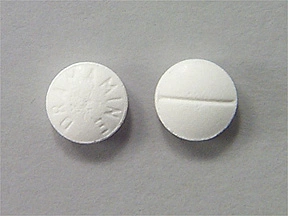
Dramamine is used for preventing and treating nausea, vomiting, and dizziness caused by motion sickness.
Dosage and directionUse Dramamine as directed by your doctor. Check the label on the medicine for exact dosing instructions.
Dramamine may be taken with or without food.
Use Dramamine exactly as directed on the package, unless
instructed differently by your doctor. If you are taking Dramamine
without a prescription, follow any warnings and precautions on the
label.
Take the first dose at least 30 minutes before activity or travel.
If you miss a dose of Dramamine and you are taking it regularly,
take it as soon as possible. If it is almost time for your next dose,
skip the missed dose and go back to your regular dosing schedule. Do not
take 2 doses at once.
Ask your health care provider any questions you may have about how to use Dramamine.
Use Dramamine exactly as directed by your Health Provider.
StorageStore Dramamine at room temperature, between 68 and 77 degrees F
(20 and 25 degrees C), or according to directions on the package label.
Store in the original package or container. Store away from heat,
moisture, and light. Do not store in the bathroom. Keep Dramamine out of
the reach of children and away from pets.
Safety informationDo NOT use Dramamine if:
- you are allergic to any ingredient in Dramamine or other similar medicines
- you are taking sodium oxybate (GHB)
- you are currently taking or have taken a monoamine oxidase (MAO) inhibitor (eg, phenelzine) in the past 14 days
- you are breast-feeding
Contact your doctor or health care provider right away if any of these apply to you.
Dramamine may cause drowsiness or dizziness. Do not drive,
operate machinery, or do anything else that could be dangerous until you
know how you react to Dramamine. Using Dramamine alone, with certain
other medicines, or with alcohol may lessen your ability to drive or to
perform other potentially dangerous tasks.
Avoid drinking alcohol or taking other medications that cause
drowsiness (eg, sedatives, tranquilizers) while taking Dramamine.
Dramamine will add to the effects of alcohol and other depressants. Ask
your pharmacist if you have questions about which medicines are
depressants.
Dramamine may cause dizziness. Alcohol, hot weather, exercise,
and fever can increase this effect. To prevent it, sit up or stand
slowly, especially in the morning. Also, sit or lie down at the first
sign of dizziness.
Do not exceed the recommended dose or use Dramamine more
frequently or for longer than prescribed without first checking with
your doctor.
Do not become overheated in hot weather or during exercise or other activities since heatstroke may occur.
Dramamine may cause increased sensitivity to the sun. Avoid
exposure to the sun, sunlamps, or tanning booths until you know how you
react to Dramamine. Use a sunscreen or protective clothing if you must
be outside for a prolonged period.
Do not use Dramamine with any medicine that contains
diphenhydramine. Before you begin taking any new prescription or
nonprescription medicine, including one used on the skin, read the
ingredients to see if it also contains diphenhydramine or another
similar medicine (eg, antihistamine). If it does, or if you are
uncertain if it does, contact your doctor or pharmacist.
Use Dramamine with caution in the ELDERLY because they may be
more sensitive to its effects, especially dizziness, sedation, and
lightheadedness upon standing.
Safe use and instructions for use in CHILDREN differs according
to the brand used. Talk to your doctor or pharmacist if you have any
questions about the brand you are using.
Use of Dramamine is not recommended in CHILDREN younger than 2
years of age without first talking with the child's doctor. Safety and
effectiveness in this age group have not been confirmed.
PREGNANCY and BREAST-FEEDING: If you become pregnant, discuss
with your doctor the benefits and risks of using Dramamine during
pregnancy. Dramamine is excreted in breast milk. Do not breast-feed
while taking Dramamine.
Important safety information:
Some medical conditions may interact with Dramamine. Tell your
doctor or pharmacist if you have any medical conditions, especially if
any of the following apply to you:
- if you are pregnant or planning to become pregnant
- if you are taking any prescription or nonprescription medicine, herbal preparation, or dietary supplement
- if you have allergies to medicines, foods, or other substances
- if you have asthma, chronic obstructive pulmonary disease
(COPD), chronic bronchitis, emphysema, lung disease, shortness of
breath, or sleep apnea
- if you have a blockage of the stomach, intestine, or urinary
tract; difficulty urinating; diabetes; ulcers; enlargement of the
prostate; glaucoma; heart disease; irregular heartbeat; high blood
pressure; porphyria; or thyroid disease
Some MEDICINES MAY INTERACT with Dramamine. Tell your health
care provider if you are taking any other medicines, especially any of
the following:
Sodium oxybate (GHB) because an increase in sleep duration and a decrease in the ability to breathe are likely to occur
MAO inhibitors (eg, phenelzine) because serious side effects, such as high blood pressure or seizure, may occur
Antibiotics that may cause hearing problems (eg, gentamicin, vancomycin) because Dramamine may mask symptoms of hearing problems
This may not be a complete list of all interactions that may
occur. Ask your health care provider if Dramamine may interact with
other medicines that you take. Check with your health care provider
before you start, stop, or change the dose of any medicine.
Possible side effectsAll medicines may cause side effects, but many people have no,
or minor, side effects. Check with your doctor if any of these most
COMMON side effects persist or become bothersome:
Dizziness; drowsiness; dry mouth, throat, and nose; thickening of mucus in nose or throat.
Seek medical attention right away if any of these SEVERE side effects occur:
Severe allergic reactions (rash; hives; difficulty breathing;
tightness in the chest; swelling of the mouth, face, lips, or tongue);
chest pain; convulsions; decreased alertness; difficulty urinating;
excessive excitability; fast or irregular heartbeat; fever, chills, or
sore throat; hallucinations; mental or mood changes; pounding in the
chest; seizures; tremor; unusual bruising or bleeding; wheezing;
yellowing of the eyes or skin.
This is not a complete list of all side effects that may occur.
If you have questions about side effects, contact your health care
provider. Call your doctor for medical advice about side effects.