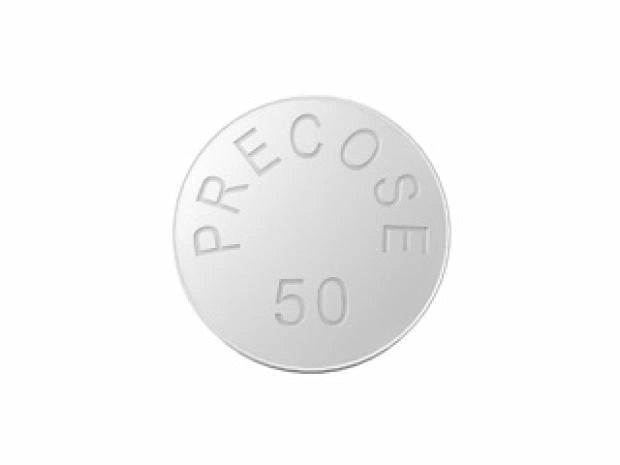
Precose (Acarbose) slows the digestion of carbohydrates in the body, which helps control blood sugar levels.
Acarbose is used to treat type 2 diabetes. Acarbose is sometimes
used in combination with insulin or other diabetes medications you take
by mouth.
Precose may also be used for purposes not listed in this medication guide.
Dosage and direction Take exactly as prescribed by your doctor. Do not take in larger
or smaller amounts or for longer than recommended. Follow the
directions on your prescription label.
Take precose (acarbose) with the first bite of a main meal, unless your doctor tells you otherwise.
Your blood sugar will need to be checked often, and you may need
other blood tests at your doctor's office. Visit your doctor regularly.
If you take acarbose with insulin or other diabetes medications,
your blood sugar could get too low. Low blood sugar (hypoglycemia) can
occur if you skip a meal, exercise too long, drink alcohol, or are under
stress. Know the signs of low blood sugar (hypoglycemia) and how to
recognize them: headache, hunger, weakness, sweating, tremors,
irritability, or trouble concentrating.
Always keep a source of sugar available in case you have
symptoms of low blood sugar. Sugar sources include orange juice, glucose
gel, candy, or milk. If you have severe hypoglycemia and cannot eat or
drink, use an injection of glucagon. Your doctor can give you a
prescription for a glucagon emergency injection kit and tell you how to
give the injection. Be sure your family and close friends know how to
help you in an emergency.
Check your blood sugar carefully during a time of stress or
illness, if you travel, exercise more than usual, drink alcohol, or skip
meals. These things can affect your glucose levels and your dose needs
may also change.
Your doctor may want you to stop taking acarbose for a short
time if you become ill, have a fever or infection, or if you have
surgery or a medical emergency.
Ask your doctor how to adjust your acarbose dose if needed. Do
not change your medication dose or schedule without your doctor's
advice.
Acarbose is only part of a complete program of treatment that
may also include diet, exercise, weight control, foot care, eye care,
dental care, and testing your blood sugar. Follow your diet, medication,
and exercise routines very closely. Changing any of these factors can
affect your blood sugar levels.
Take exactly as prescribed by your doctor.
Storage Store at room temperature away from moisture and heat. Keep the bottle tightly closed when not in use.
Safety information Do not use this medication if you are allergic to acarbose, or
if you are in a state of diabetic ketoacidosis (call your doctor for
treatment with insulin). You also should not use acarbose if you have:
inflammatory bowel disease;
a blockage in your intestines;
a digestive disorder affecting your intestines;
intestinal ulcer (of your colon); or
cirrhosis of the liver.
To make sure you can safely take acarbose, tell your doctor if you have any of these other conditions:
liver disease; or
a bowel or intestinal disorder; or
a stomach disorder.
FDA pregnancy category B. Precose is not expected to harm an
unborn baby. Tell your doctor if you are pregnant or plan to become
pregnant during treatment. It is not known whether acarbose passes into
breast milk or if it could harm a nursing baby. You should not
breast-feed while you are using acarbose.
Your medication needs may change if you become sick or injured,
if you have a serious infection, or if you have any type of surgery. Do
not change your dose or stop taking acarbose without first talking to
your doctor.
If you take acarbose with insulin or other diabetes medications,
your blood sugar could get too low. Low blood sugar (hypoglycemia) can
occur if you skip a meal, exercise too long, drink alcohol, or are under
stress. Symptoms include headache, hunger, weakness, sweating, tremors,
irritability, or trouble concentrating.
Carry hard candy or glucose tablets with you in case you have
low blood sugar. Other sugar sources include orange juice and milk. Be
sure your family and close friends know how to help you in an emergency.
Precose is only part of a complete program of treatment that may
also include diet, exercise, weight control, foot care, eye care,
dental care, and testing your blood sugar. Follow your diet, medication,
and exercise routines very closely. Changing any of these factors can
affect your blood sugar levels.
Possible side effects Get emergency medical help if you have any of these signs of an allergic reaction:
hives;
difficulty breathing;
swelling of your face, lips, tongue, or throat.
Call your doctor at once if you have any of these liver symptoms:
low fever;
nausea, stomach pain, loss of appetite;
dark urine, clay-colored stools; or
jaundice (yellowing of the skin or eyes).
Less serious side effects may include:
mild stomach pain, gas, bloating;
diarrhea; or
mild skin rash or itching.
This is not a complete list of side effects and others may occur. Tell your doctor about any unusual or bothersome side effect.